

This is the intro blurb. The quick brown fox jumps over the lazy dog. The quick brown fox jumps over the lazy dog. The quick brown fox jumps over the lazy dog. The quick brown fox jumps over the lazy dog.
Section 1 Title
Lorem ipsum dolor sit amet, consectetur adipiscing elit. Curabitur at lectus pulvinar, malesuada neque et, porttitor ipsum. Praesent aliquet scelerisque semper. Aliquam at elit dolor. Nunc vitae quam commodo, ornare nunc vel, mollis lorem. Duis vulputate rhoncus nunc eget vehicula. Ut eu sapien turpis. Integer lacinia velit orci, id efficitur massa egestas id. Suspendisse non lorem et ligula ultricies scelerisque non condimentum tellus. Proin et scelerisque orci.
Lorem ipsum dolor sit amet, consectetur adipiscing elit. Nulla auctor quis erat a iaculis.
Aliquam erat volutpat. Sed sagittis ultrices nisi, in tristique dolor fringilla a. Vestibulum dignissim, lorem viverra commodo gravida, libero nulla commodo magna, eget vulputate augue justo a purus. Etiam ullamcorper ipsum eros, vitae porttitor risus gravida eget. Sed a maximus tortor, sed facilisis nulla. Vivamus facilisis lorem nec ornare fringilla. Quisque ut nunc et augue tempor volutpat. Sed efficitur nec lorem vitae euismod. Nullam nunc ipsum, volutpat quis augue et, commodo semper sapien.
Nulla placerat libero metus, in aliquet metus malesuada nec. Proin eget interdum tellus, et interdum neque. Pellentesque vel nulla in lectus ullamcorper porttitor. Vestibulum posuere tempor tempus. Praesent ornare enim sit amet purus malesuada posuere. Vestibulum ante ipsum primis in faucibus orci luctus et ultrices posuere cubilia curae; Nulla diam odio, hendrerit quis velit non, convallis placerat nibh.
Our Heritage
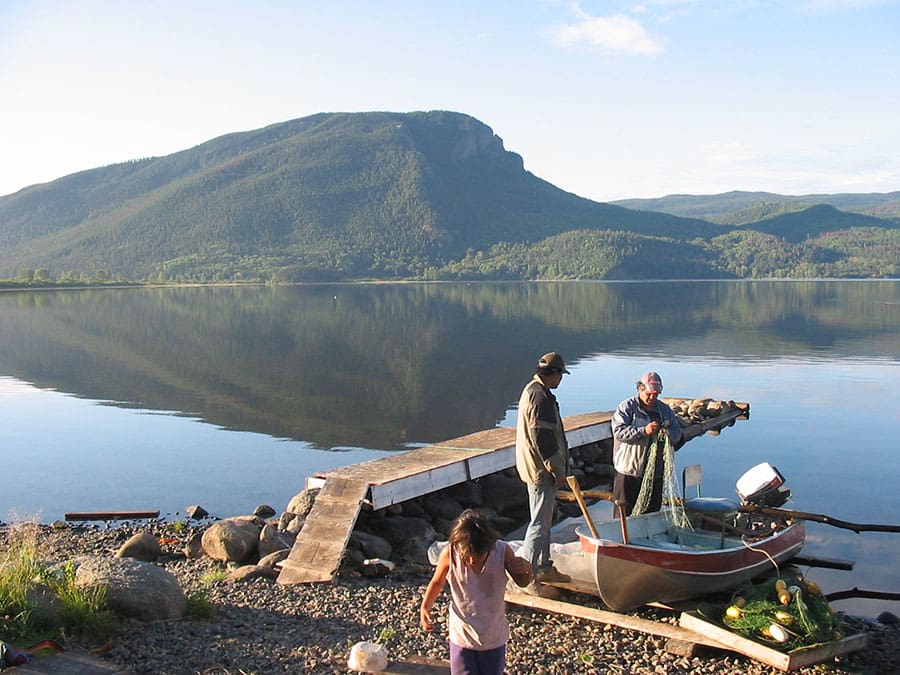
Elders Sharing & Teaching
Situated in a rich area encompassing the Skeena and Fraser watersheds, the community prospered until the arrival of the Europeans …
Show More
In the beginning, the Yekoochet’en (also known as the Portage Band) shared our resources and knowledge, allowing the Hudson’s Bay Company to establish a lucrative fishery on Yeko Bun (Cunningham Lake) and to freight goods between Stuart and Babine Lakes.
Over the next 150 years our people saw their rights and way of life consistently eroded as trappers, prospectors and resource companies were given access to their traditional lands.
1959: To settle reserve lands disputes, the Federal Government amalgamated Tache, Pinche, Portage (Yekooche), Grand Rapids and Middle River communities into one large Band called the Stuart-Trembleur Lakes Band.
1987: Stuart-Trembleur Lakes Band changed their name to the Tl’azt’en Nation.
1994: Portage Band left Tl’azt’en Nation to form their own community taking their four reserve areas with them and became known as the Yekooche First Nation.
Our Clans

Shared Responsibility
Yekooche First Nation has four hereditary clans, passed down from mother to child, that are shared with other Dakelh peoples …
Show More
Traditionally our people were required to marry outside their clans to strengthen alliances across communities. As wealth and responsibilities are still shared, an entire clan may assume the duties associated with a member’s business and potlatch (e.g. after a member’s death, when a member assumes a new title, or in some cases to support a marriage).
Frog Clan: Lusilyoo
Cariboo Clan: Grantrung
Beaver Clan: Ghumashu
Wolf/Bear Clan: Log’jahbu
Our Language
Proud to Preserve
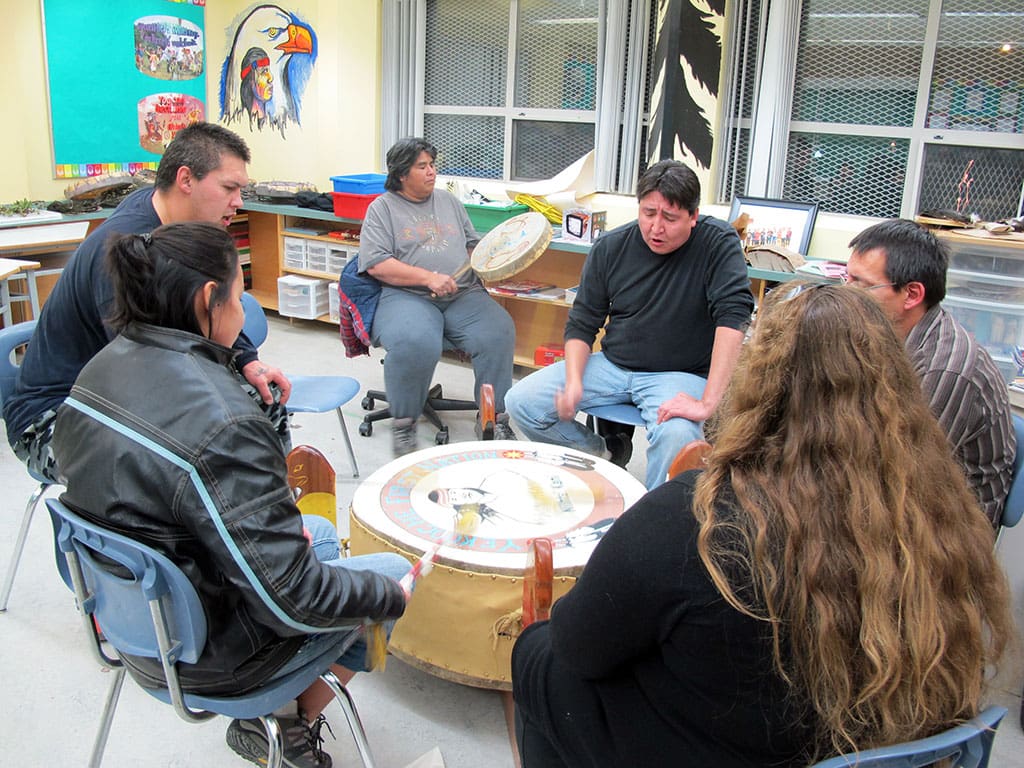
Dakelh (also known as Carrier) is the language spoken by our people in central British Columbia and is actually a word from the Sekani peoples …
Show More
Apparently, the first Europeans to reach us passed through Sekani territory first and learned of our people enroute. As we were also known as ‘les Porteurs’ by the French, the language is occasionally called ‘Porteur’.
GREETING: We are glad you came!
Language Resources:
http://www.firstvoices.com/en/Yekooche
We believe our unique dialect shows us who we are as part of both our history and our future. We must use and protect it by dedicating time and effort to teaching the Dakelh language to our youth, fostering pride in conversing with our elders before it’s too late.
More common, the ‘Carrier’ (English) name for our language may have been derived from an old tradition where a wife carried a husband’s ashes for a year after he died. Or, as people who travelled by water in a land of lakes, portaging with our possessions, this may be why the Government called us the ‘Portage Band’ instead our own name, Yekoochet’en, which ties us to our land and lakes.
There are many dialects of Dakelh today, some of which are surviving better than others in the most remote communities more protected from the pressure to use outside languages. We are determined to reverse the trend of declining usage to ensure more children, youth, and young adults will speak it well into the future.
Elders remember and share stories about being taken away from their families at Portage during this time. Sent to residential schools, they were prevented from using their own language or practicing cultural beliefs.
